Tsingbay Technology
Tsingbay Technology

Critical castings for industrial equipment, researched and manufactured in-house.

Sichuan Qingbei Technology Development Co., Ltd. is headquartered in Jiangyou, Sichuan, and was founded by a team of senior metallurgical materials specialists. We develop and manufacture ferrous alloy castings for demanding service conditions — heavy wear, heavy load — used in mining, construction machinery, petrochemical and energy, rail transit and marine dredging.

The name Tsingbay comes from the bainitic steel research at Tsinghua University: Tsing for Tsinghua, bay for bainite. The team combines a background in materials theory with hands-on experience in process development and shop-floor production, and has spent years moving bainitic steel and other high-performance alloys out of the laboratory and into industrial production. Where the performance requirement is difficult, we work through composition, casting process, tooling and heat treatment together, and settle on a route that holds up in volume production.

Much of our work is custom development of non-standard and difficult castings, and over the years that has produced its own method for diagnosing a problem and working it through. That track record on hard casting problems is how the company is known among foundries in Sichuan and beyond.

In 2026, Tsingbay became a member of the Foundry Committee of the Sichuan Mechanical Engineering Society.
Tsinghua University’s bainitic steel research, taken into production.

Bainitic steel has been a long-standing research direction at Tsinghua University’s materials school.

Tsingbay took that work into engineering practice — the same materials specialists built the plant, the team and the process route.

10+

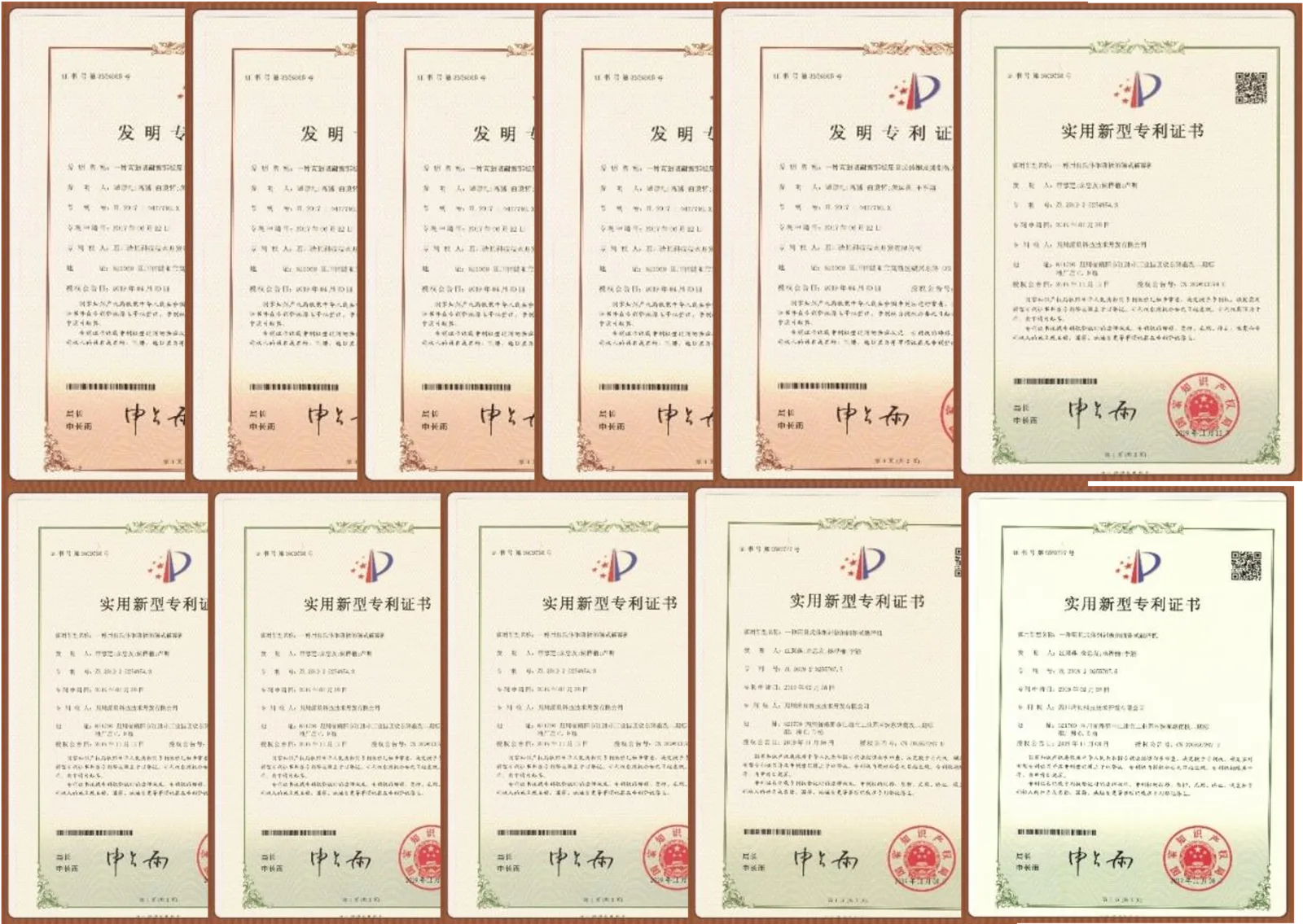
Patents in bainitic steel and resin-coated sand materials

Multiple

In-house alloy formulation series, continuously developed

Wall of invention and utility model patent certificates for Tsingbay bainitic steel and resin-coated sand materials

Company history.

1994 to 2003

Research leaves the laboratory

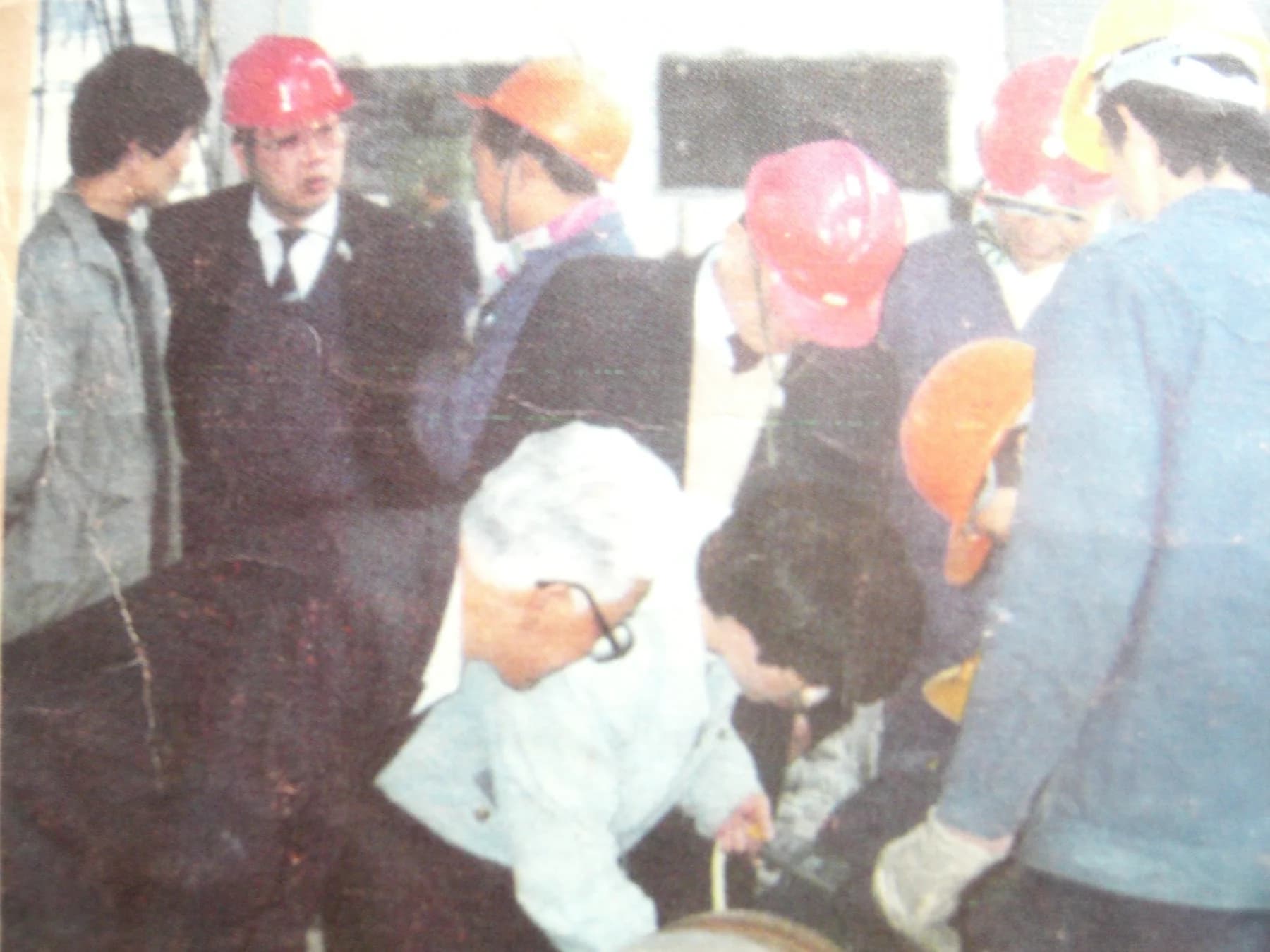
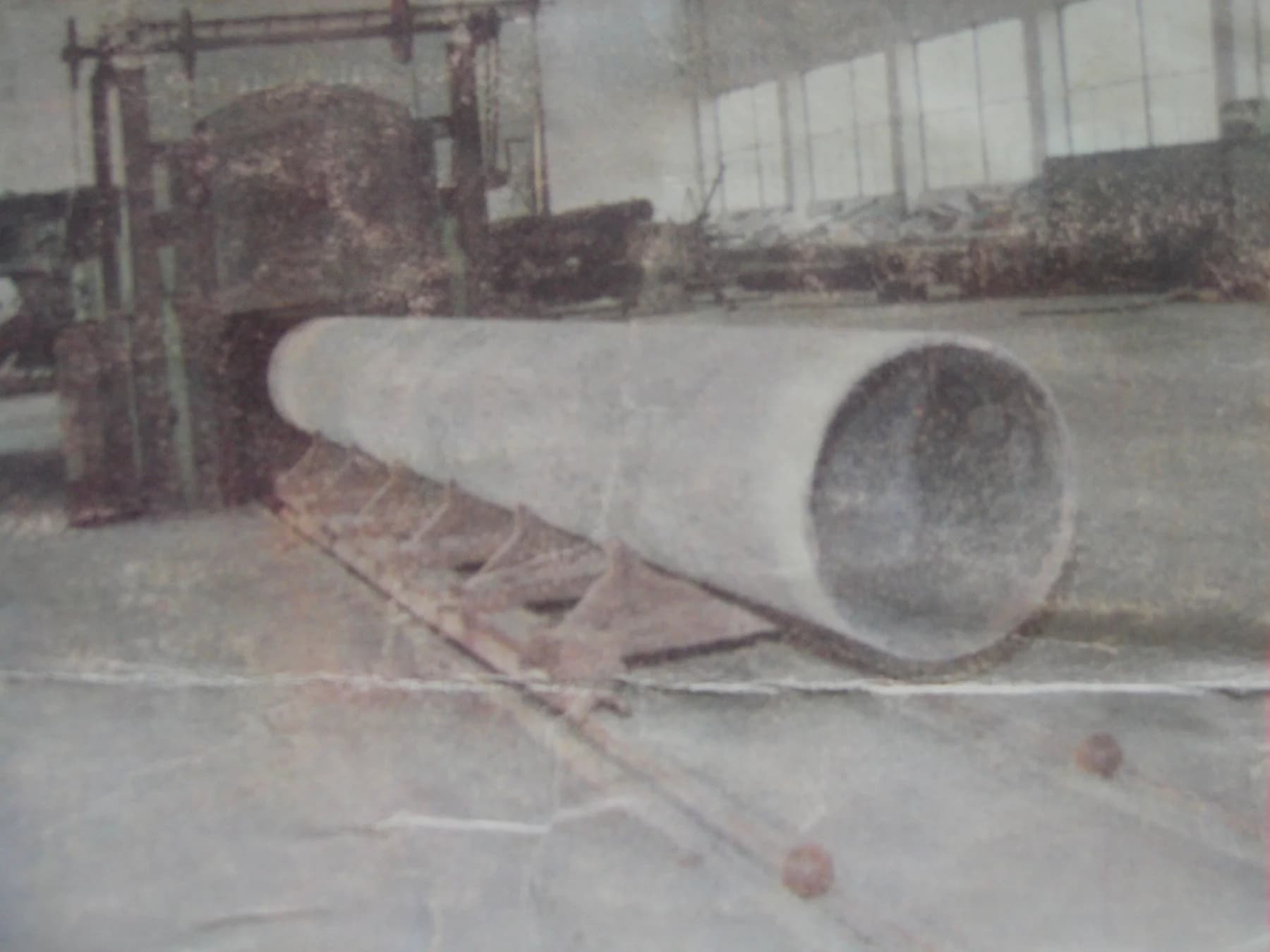
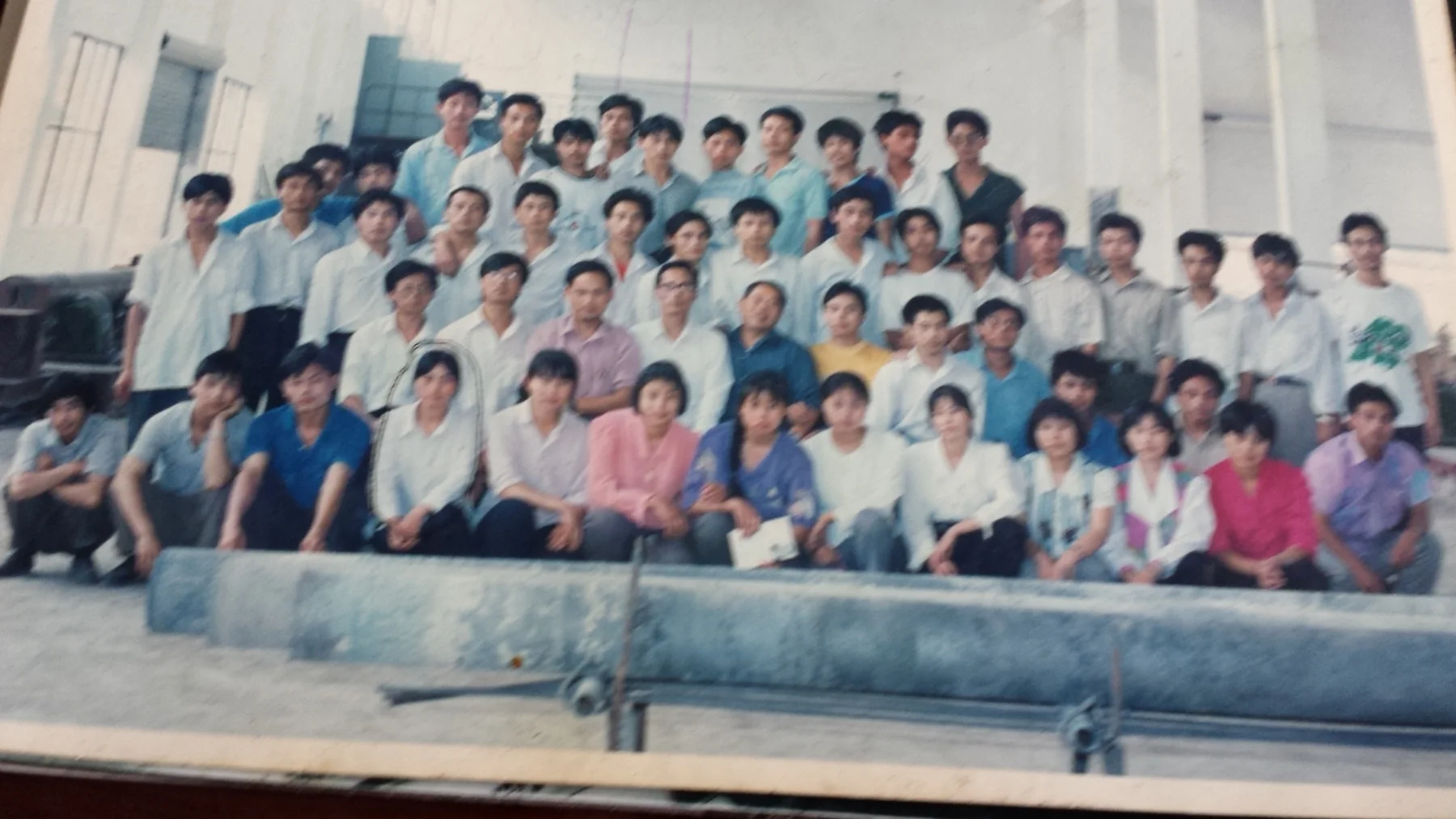
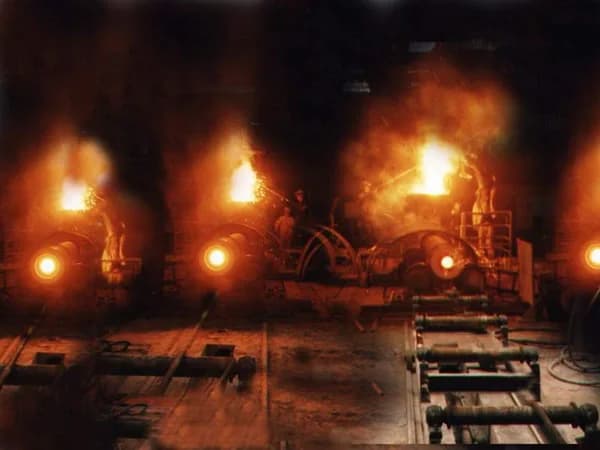
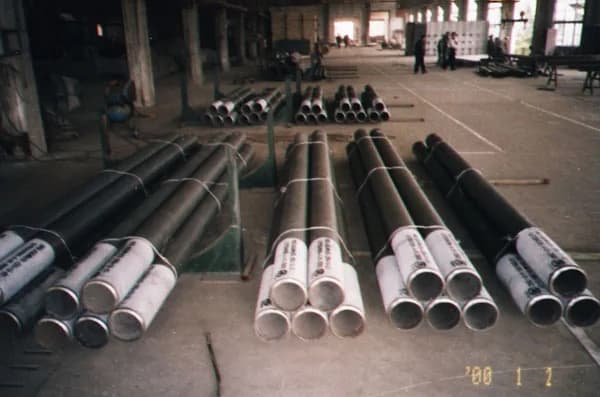
In 1994, a long-term research collaboration on the industrialisation of bainitic steel began. By 1996 a team of materials researchers and engineers was working on the foundry floor, going over composition, centrifugal casting and heat treatment with the Tsinghua inventors. The first extra-long, thin-wall, large-diameter bainitic steel pipe, shown here, is the physical record those early engineering trials left behind.

Volume production of centrifugally cast bainitic steel wear pipe began in 2002. In 2003 the team developed coal slag conveying pipe for the Taicang Port environmental power plant. Bainitic steel had entered real service — continuous abrasion, welded joints, years of running — and from then on the material was judged on the plant floor.

2009 to 2015

Proven in volume delivery

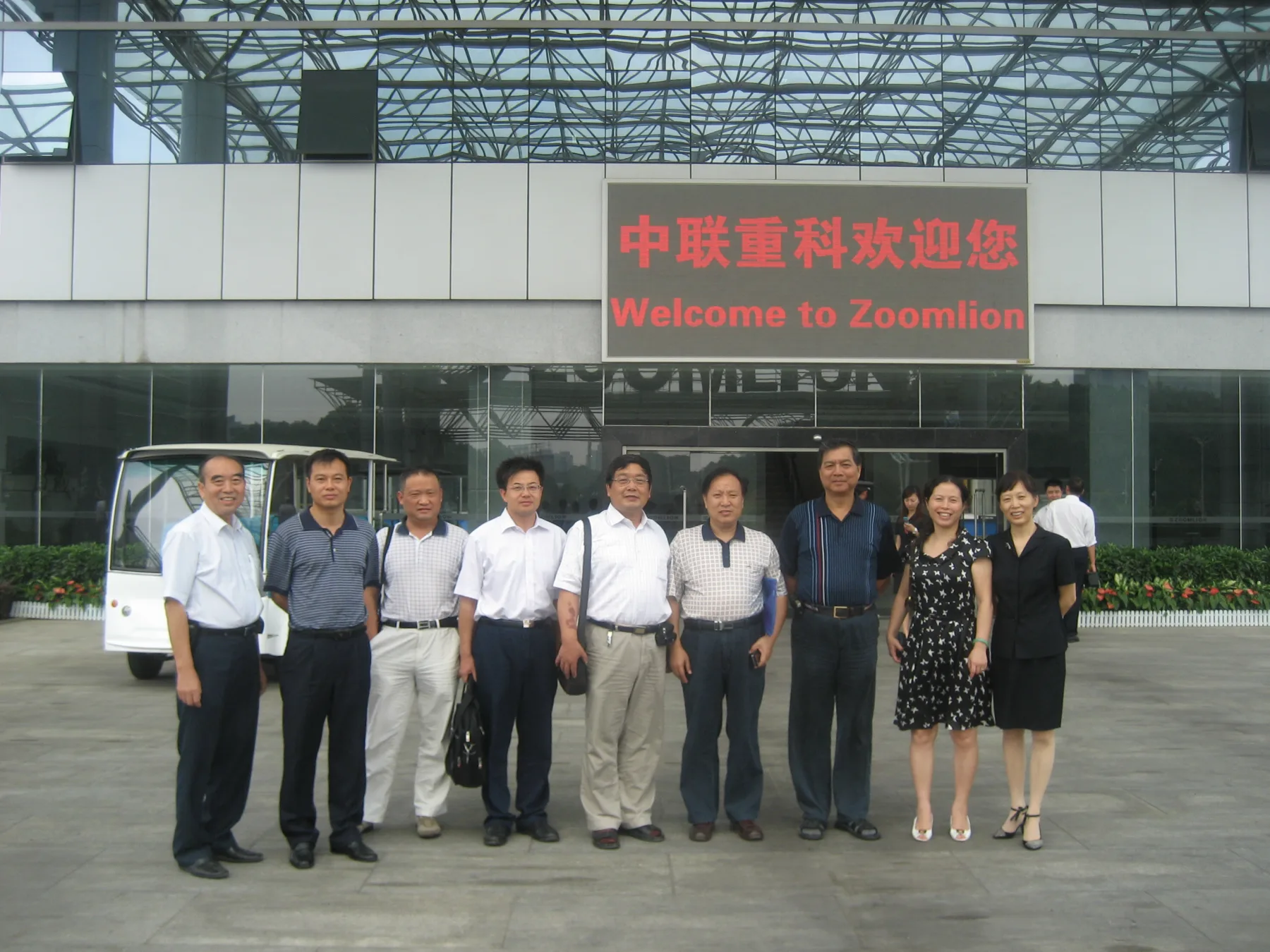
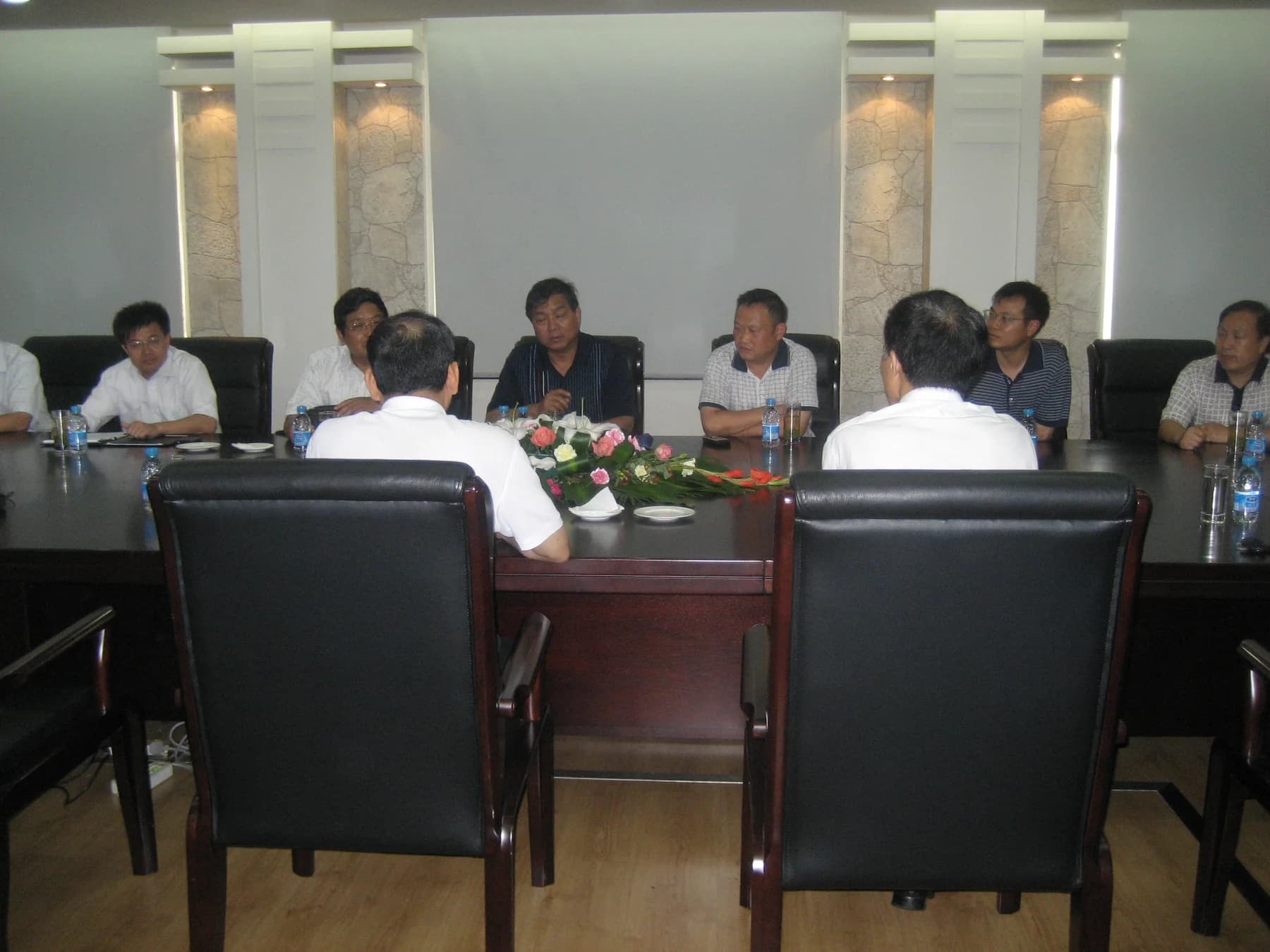
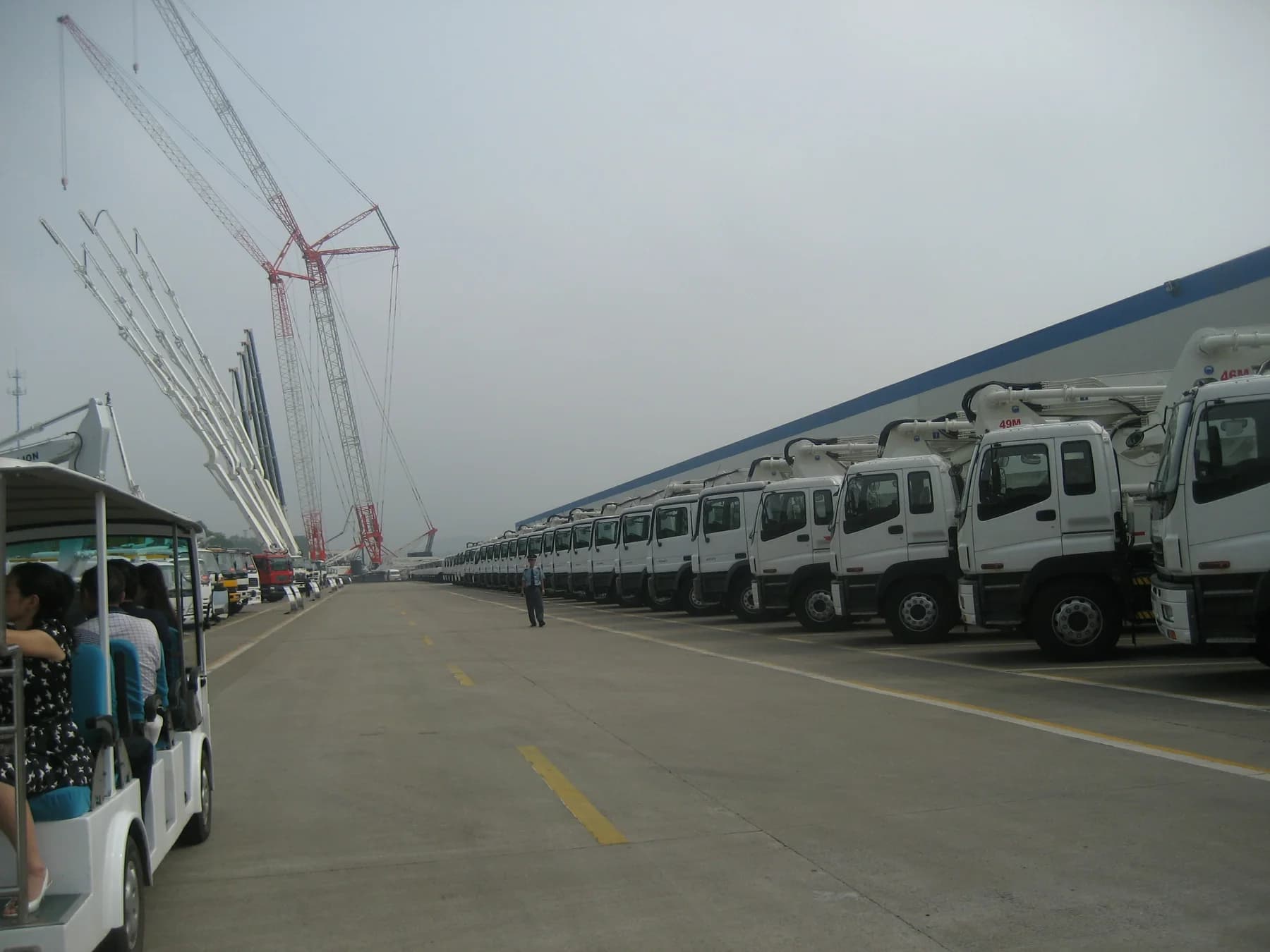
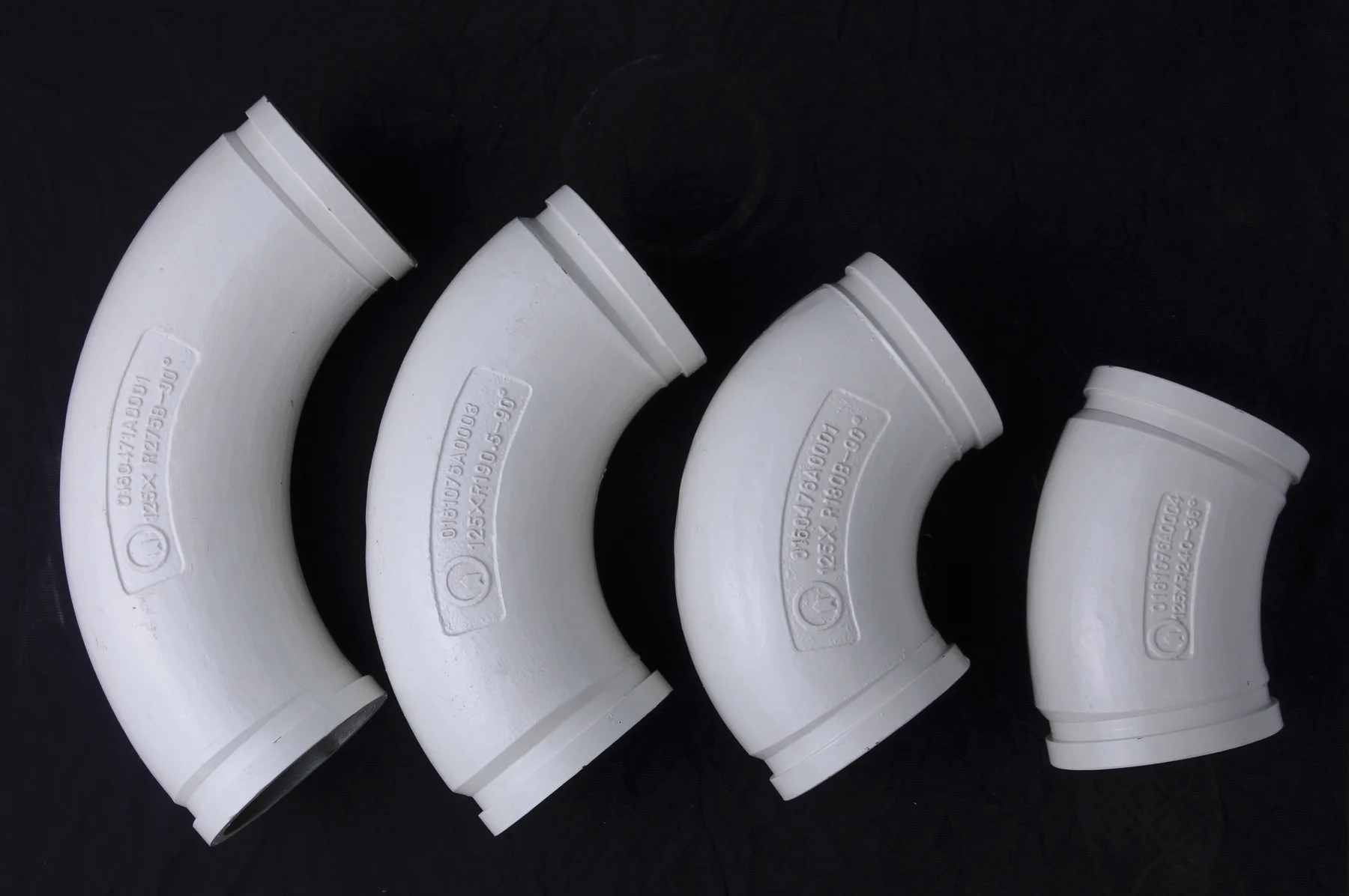
A sample only proves that a route is possible. Whether it can run continuously, and stay consistent across sizes and batches, is what decides whether it becomes an industrial product. In 2009 the team began technical exchanges with Zoomlion, and went on to develop high-pressure, high-wear bainitic steel pipe fittings for concrete pumping systems.

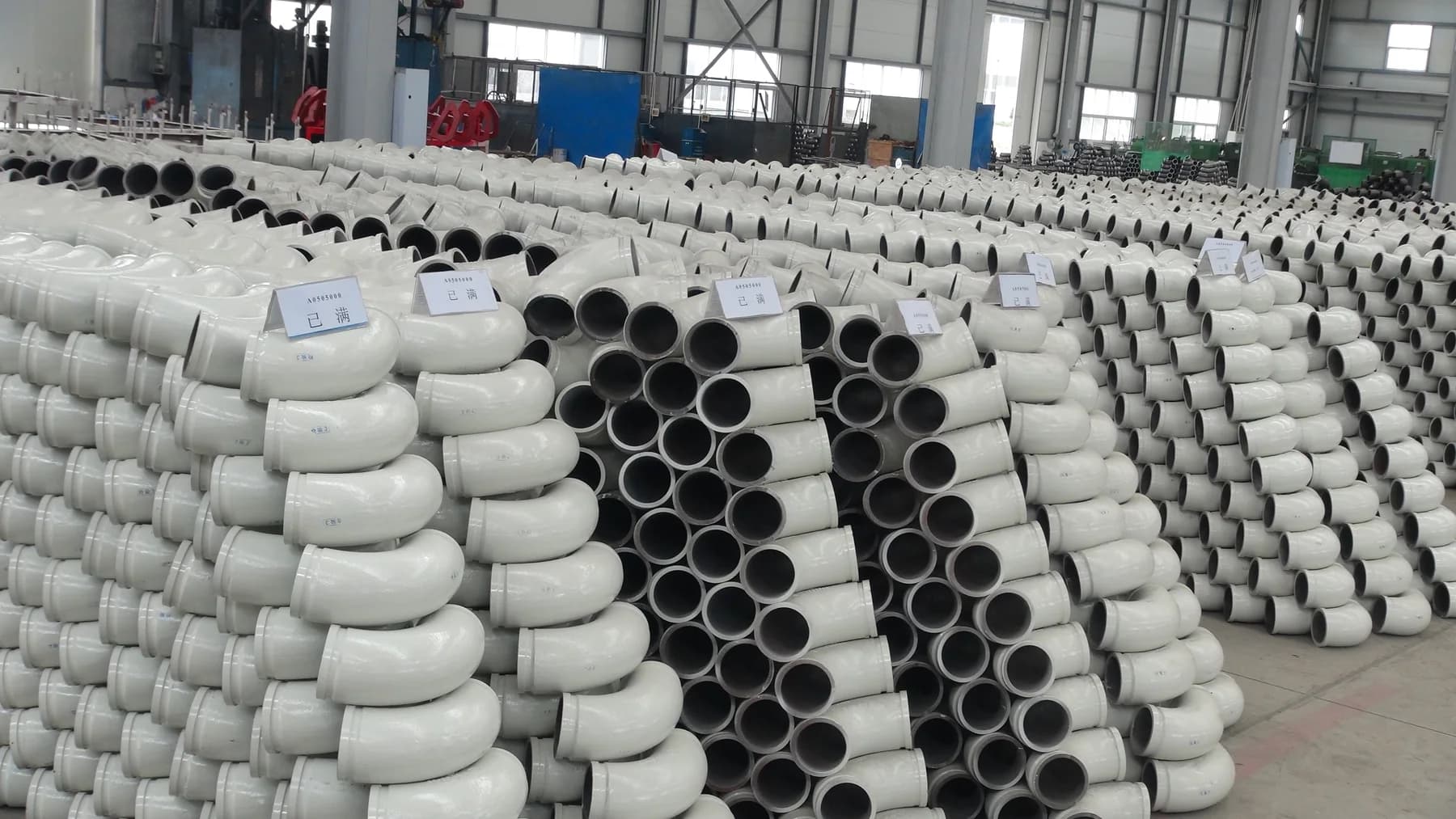
Supply ran from 2009 to 2015, more than one million pieces in total. Behind the stacked elbows and straight pipe is composition control, casting, heat treatment and dimensional stability passing inspection again and again. In the same period the team started work on second-generation bainitic steel, and in 2014 commissioned an automated resin-coated sand shell moulding line.

2016 to 2022

From material to manufacturing system

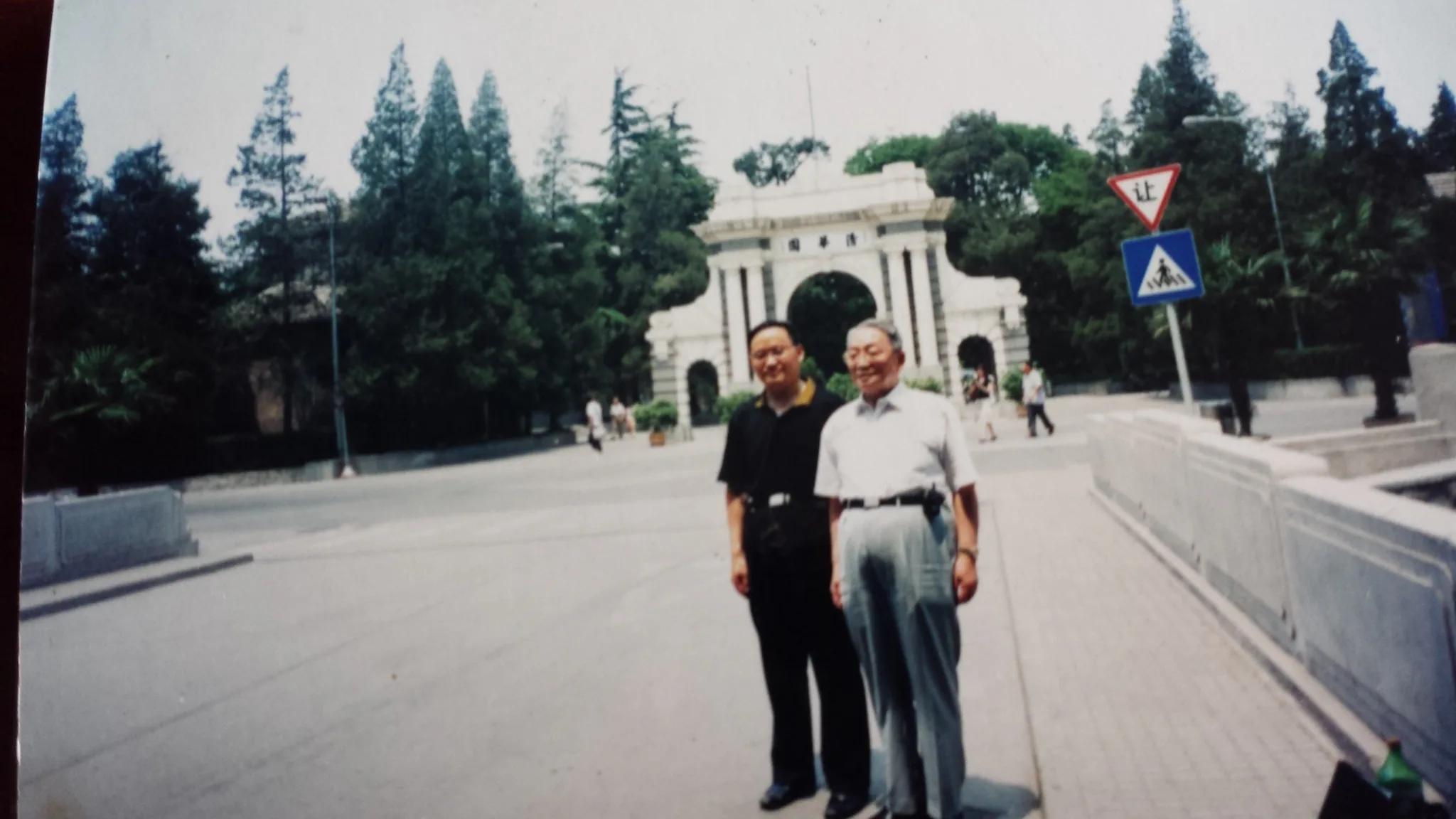
Sichuan Qingbei Technology Development Co., Ltd. was established in Jiangyou in 2016, with three Tsinghua University metallurgy professors as founding shareholders. The name Tsingbay records where the company came from. Experience gathered in the laboratory and on the shop floor began to be organised into a complete set of company capabilities.

In 2018 the second-generation bainitic steel reached HRC ≥ 50 and AKV ≥ 20 J, and was recognised by the Metallurgical Science and Technology Award. Work continued on quality management, resin-coated sand preparation, heat treatment, machining and inspection. In 2022 the company was named a High-Precision Green Foundry Demonstration Base, its scope having widened from developing a single material to manufacturing complex castings consistently.

2023 to present

Developing for new service conditions

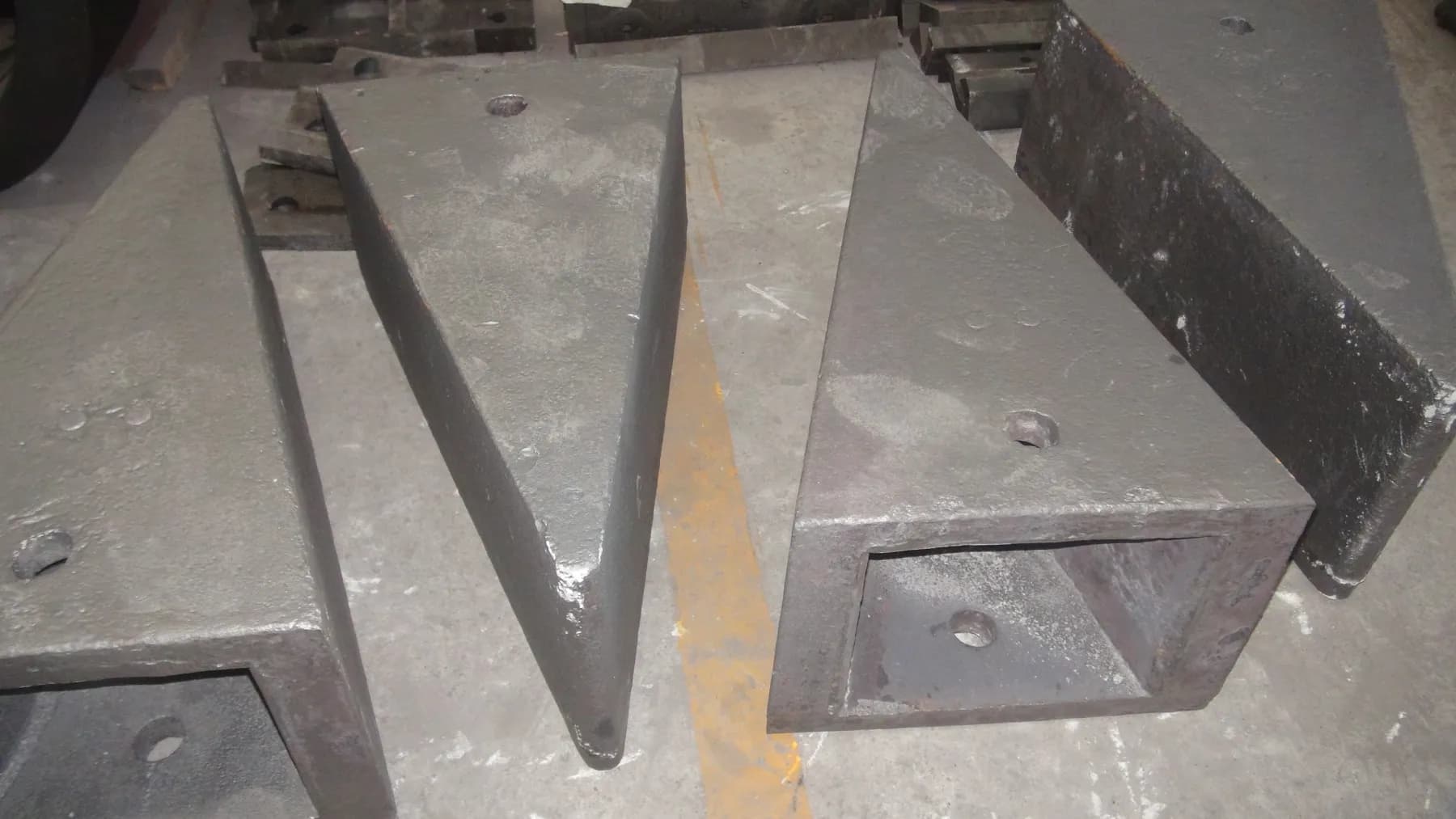
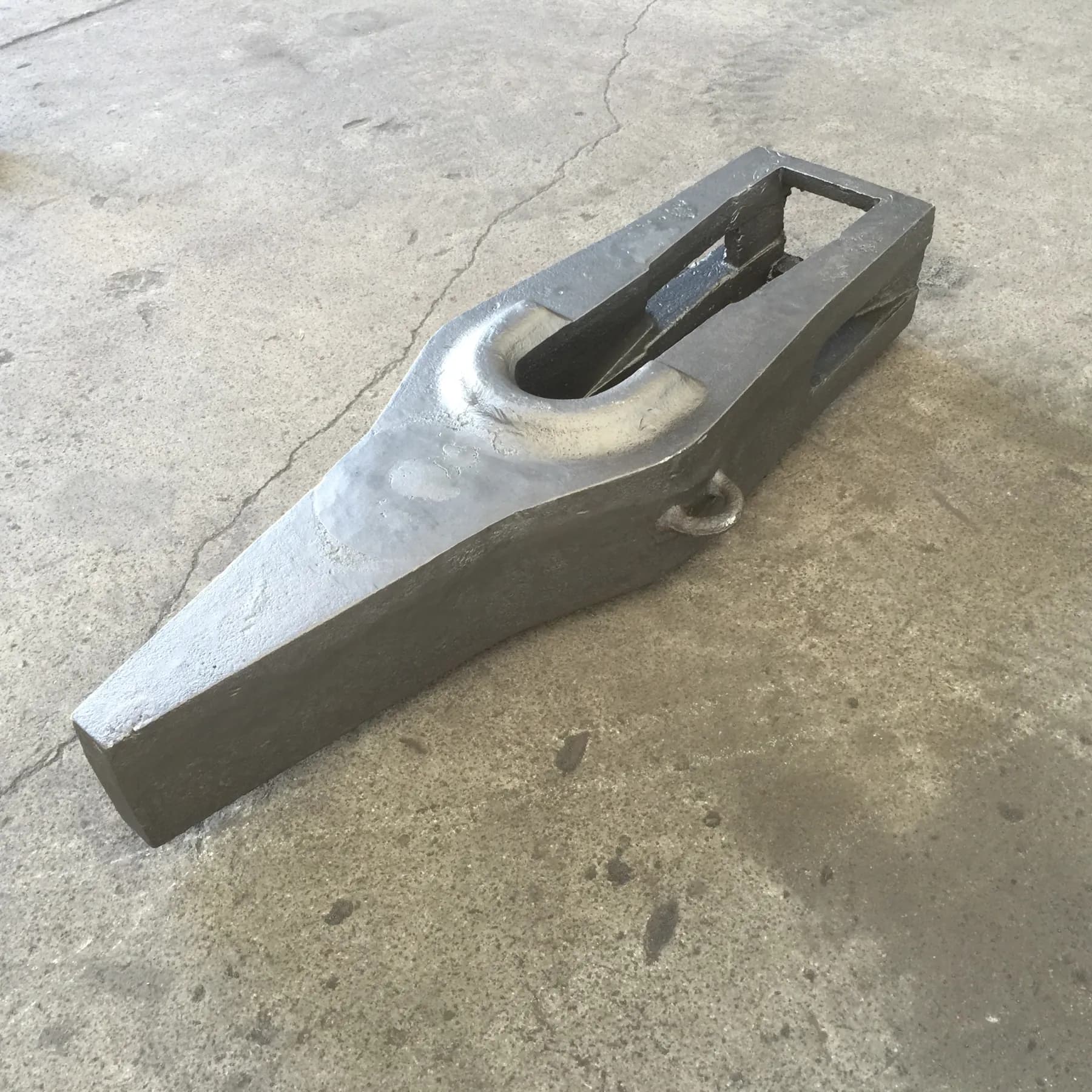
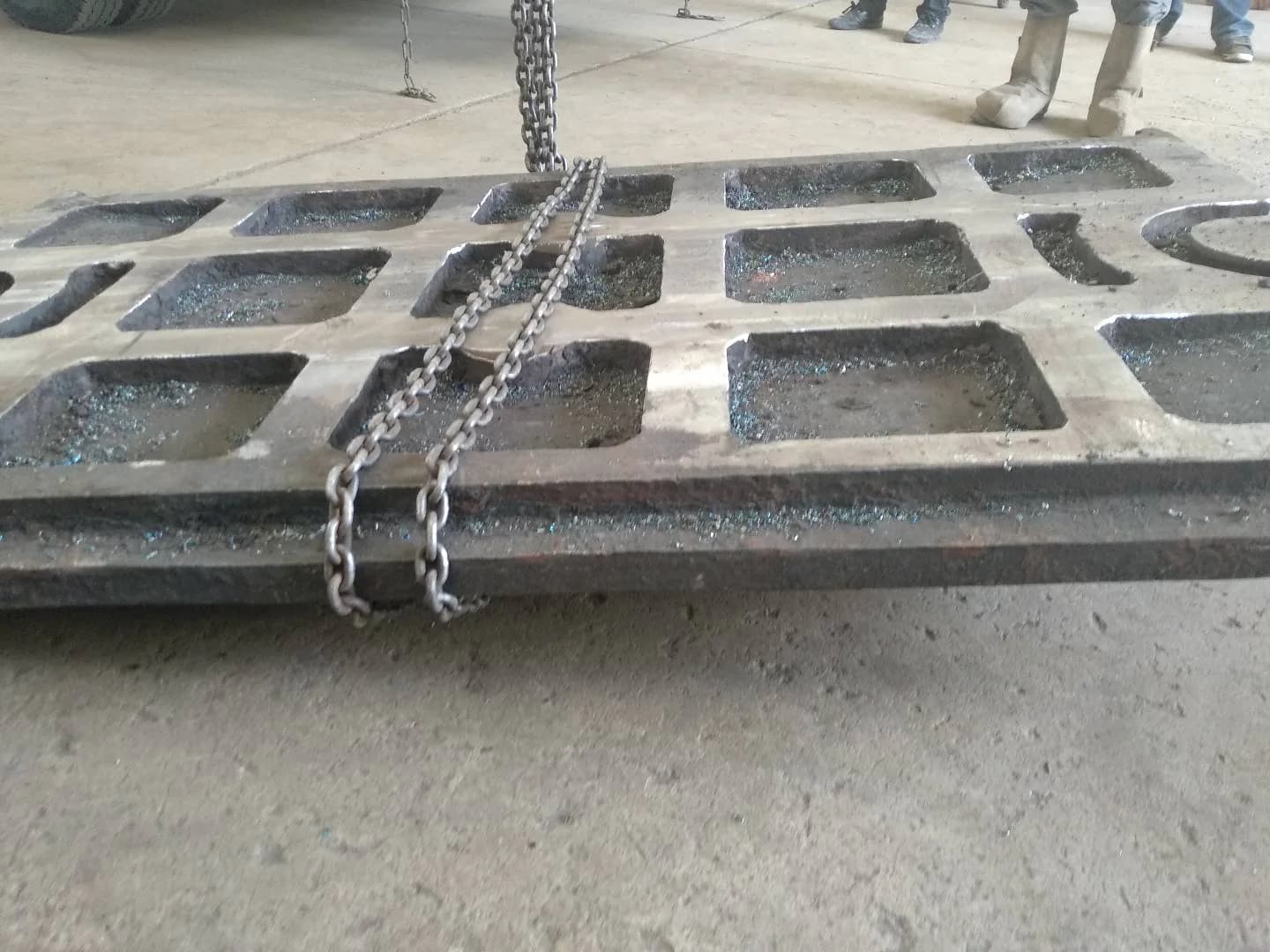
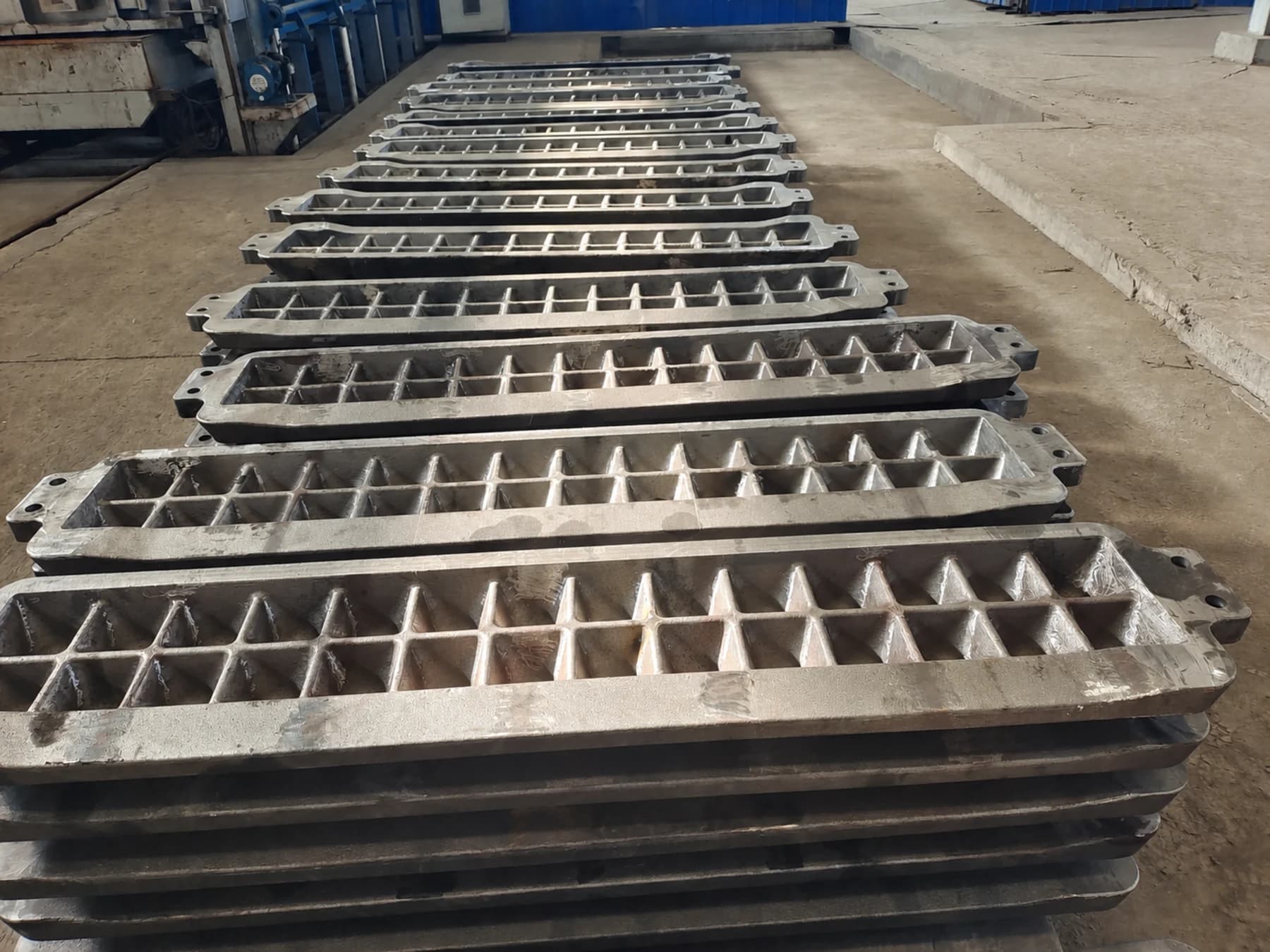
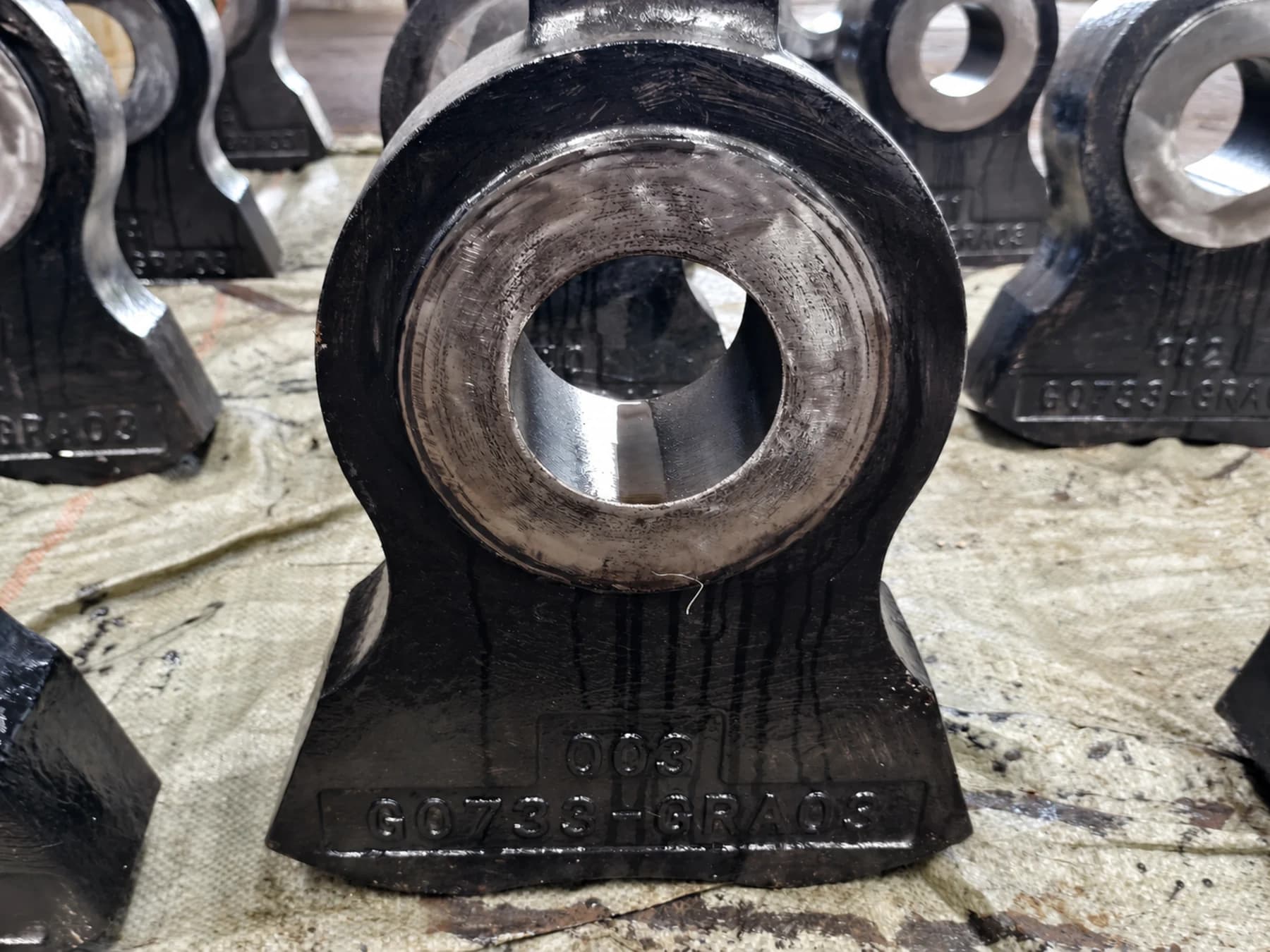
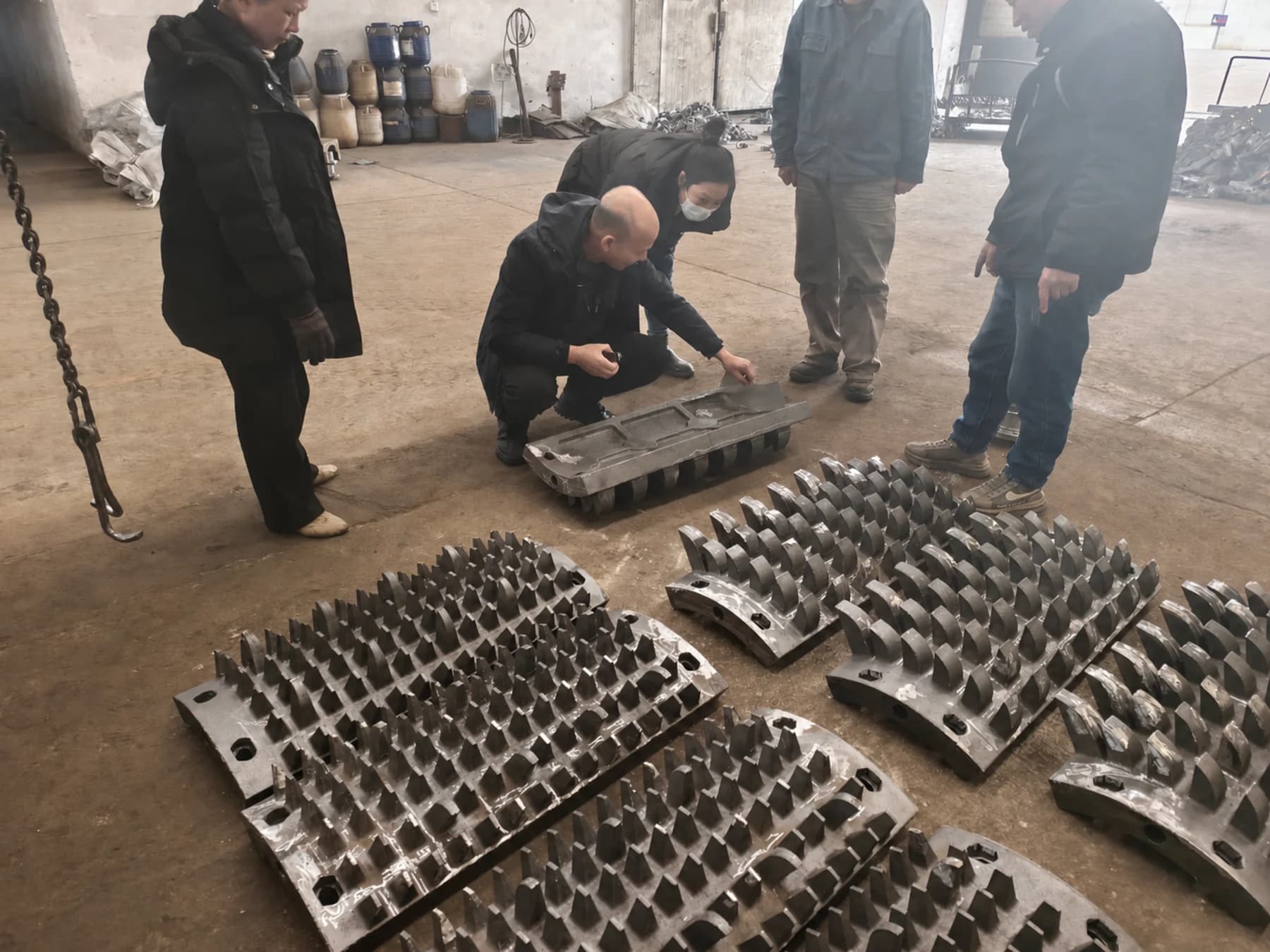
What overseas customers bring first is a different set of material standards, part geometries and service conditions. From 2023, Tsingbay developed bainitic steel excavator teeth for a Swiss customer, and curved screen teeth and QB-22 ductile iron ingot moulds for Australian customers. Bainitic steel bucket teeth and adapters were exported for the first time in 2024. The product range widened from bainitic steel to alloy steel, stainless steel and ductile iron.

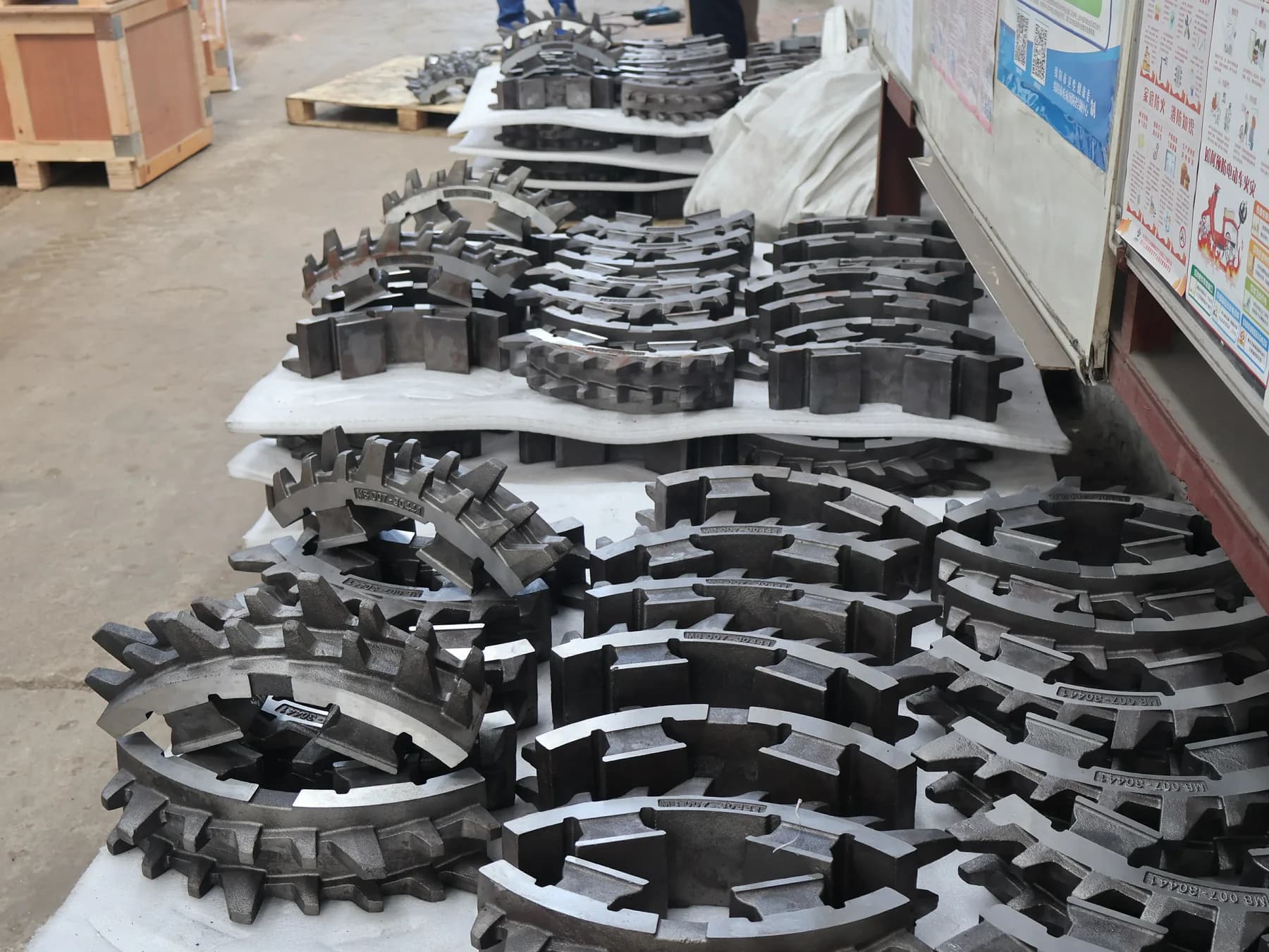
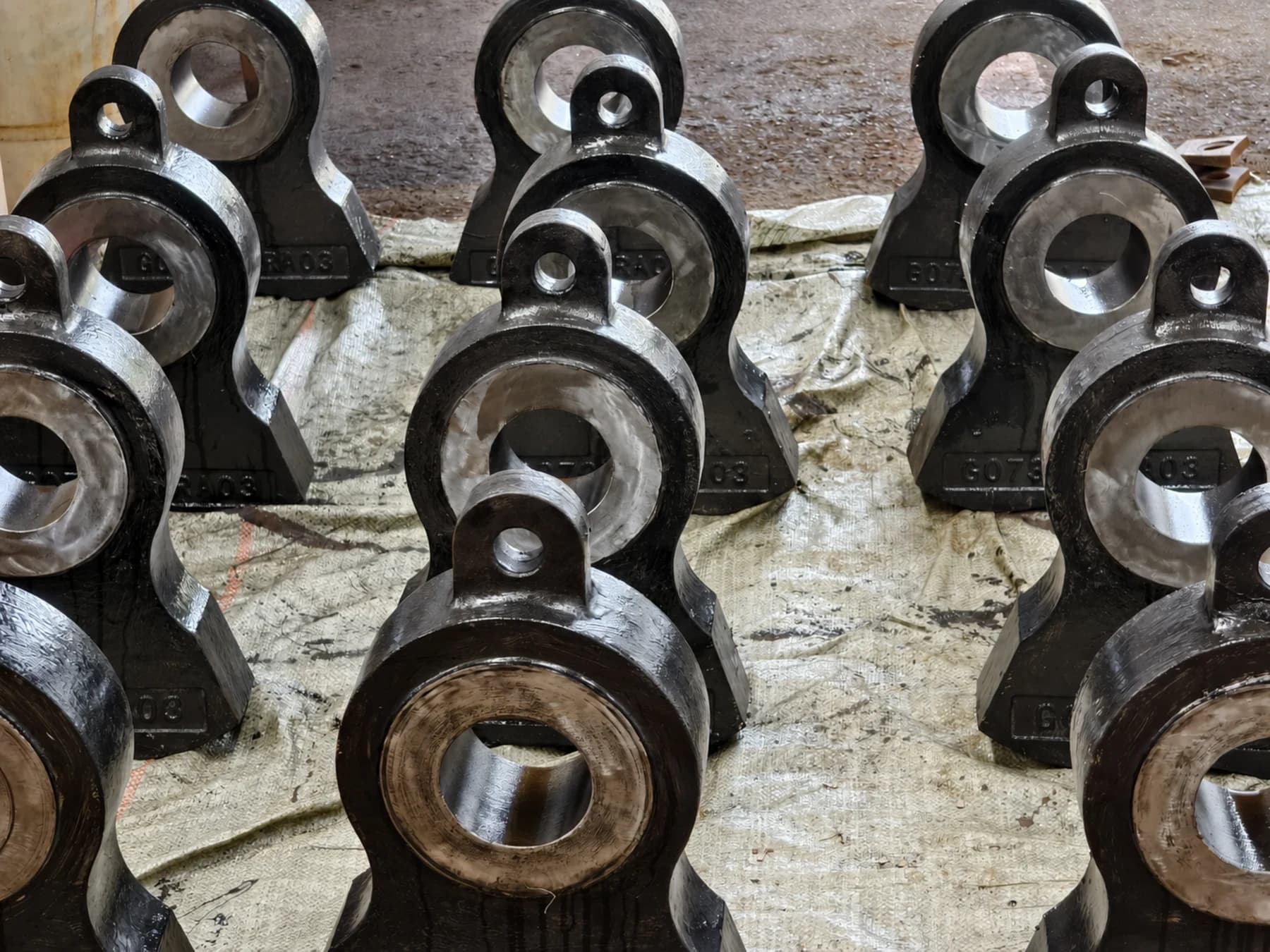
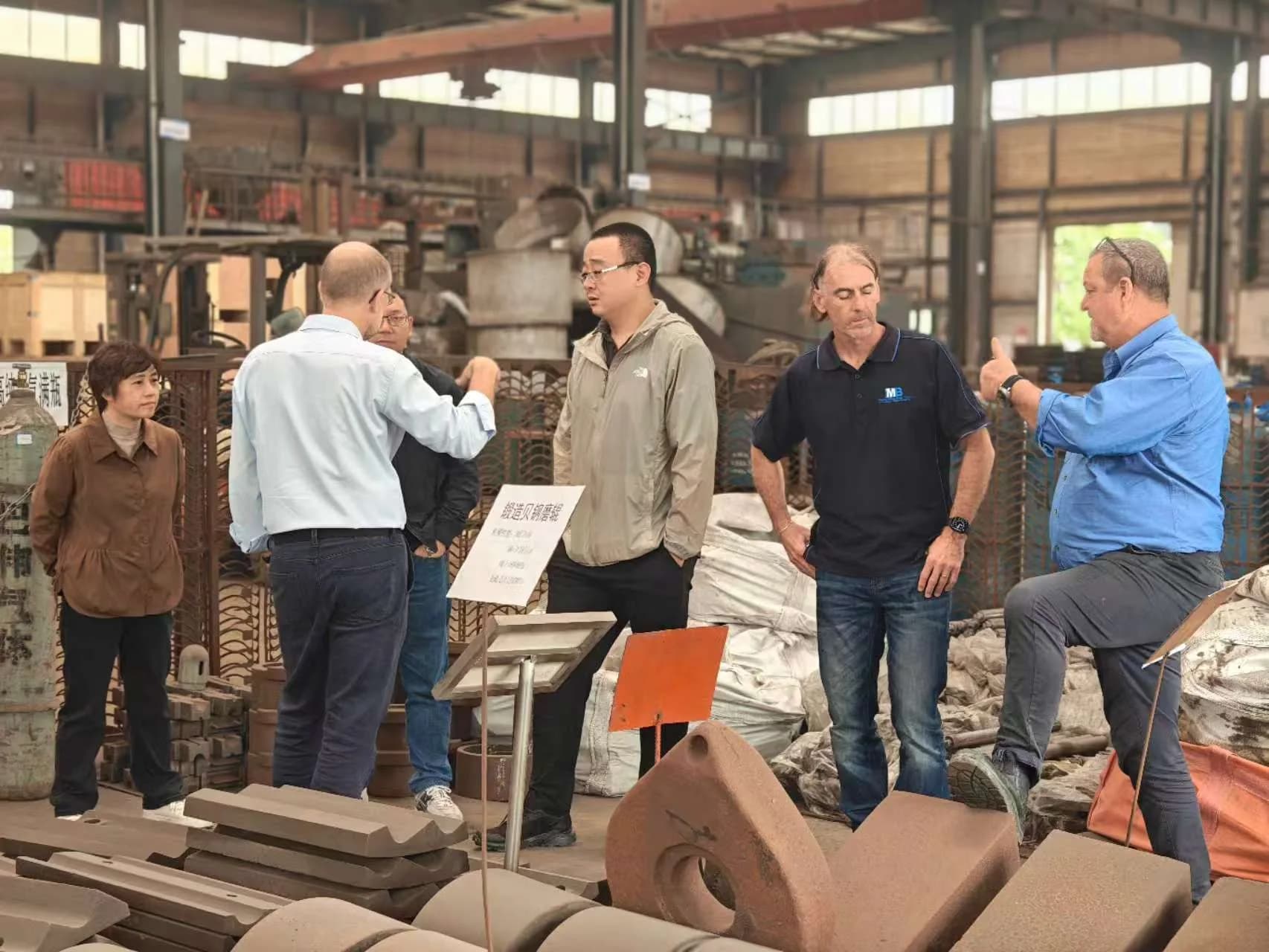
By 2025 there were bainitic steel wear screen teeth for a South African customer and bainitic steel hammers for an Australian customer, and overseas customers were visiting the Jiangyou plant in person. Faced with a new part, the team still works the way it did at the beginning: understand how it wears and what impact it takes in service, then look for the answer in the material, the process and the manufacturing route.

Certifications and industry recognition.

  1. Member, Foundry Committee of the Sichuan Mechanical Engineering Society

  2. High-Precision Green Foundry Demonstration Base

  3. Metallurgical Science and Technology Award, Second Prize

  4. ISO 9001 Quality Management System certification

Bring us the wear problem.

Whether you are after longer part life, less downtime, or a foundry partner who actually understands the material — we are glad to talk it through.

Get in touch

No file chosen